

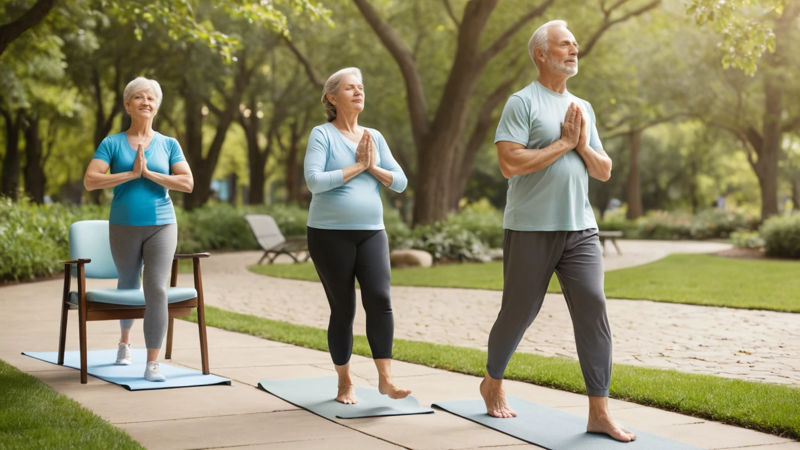
Low-impact workouts for arthritis sufferers help reduce joint pain, improve mobility, and build strength safely. Discover easy, doctor-approved exercises that actually feel good.
Low-impact workouts for arthritis sufferers are gentle exercises that protect joints while improving strength, flexibility, balance, and daily comfort. They reduce stiffness, ease pain, and help you stay active without stressing inflamed joints.
Have you ever skipped exercise because your joints hurt before you even started? 😟
You’re not alone—and here’s the good news. You don’t need intense workouts to feel stronger, looser, and more energized.
Low-impact workouts are one of the safest and most effective ways to stay active with arthritis. They move your joints without pounding them. They build muscle without causing flare-ups. And yes—they can actually reduce pain over time.
Understanding Arthritis And Exercise 🦴
Arthritis affects millions of adults, especially knees, hips, hands, and shoulders. Pain and stiffness can make movement feel intimidating. But avoiding exercise often makes symptoms worse.
Regular movement helps lubricate joints and strengthens the muscles around them. Strong muscles reduce joint pressure. Gentle activity also improves blood flow and reduces inflammation.
The key is choosing workouts that support your joints instead of stressing them. That’s where low-impact exercise shines.
Why Low-Impact Workouts Work So Well 💡
Low-impact workouts keep at least one foot on the ground or reduce joint load. This protects cartilage and prevents sudden shocks. They’re smooth, controlled, and predictable.
These workouts allow consistent movement without sharp twists or heavy loads. Over time, this improves joint stability and confidence. Many people notice less morning stiffness within weeks.
Most importantly, they help you stay consistent. Consistency matters more than intensity.
Who Should Try Low-Impact Workouts? 👥
Low-impact workouts are ideal for people with osteoarthritis, rheumatoid arthritis, or joint replacements. They’re also great for beginners or anyone returning after injury.
If you experience joint swelling, stiffness, or reduced range of motion, these exercises can help. They’re also perfect for older adults or anyone with balance concerns.
Always listen to your body. Mild soreness is normal. Sharp pain is not.
Walking: The Simplest Joint-Friendly Exercise 🚶
Walking is one of the easiest ways to stay active with arthritis. It’s natural, free, and easy to adjust. You control the speed, distance, and terrain.
Start with short walks on flat surfaces. Wear cushioned shoes with good support. Swing your arms gently to improve circulation.
Even ten minutes a day can reduce stiffness and boost mood 😊.
Water-Based Workouts For Pain Relief 💦
Water exercises reduce joint stress by up to 90%. The water supports your weight while adding gentle resistance. This makes movement feel easier and safer.
Swimming, water walking, and aqua aerobics are excellent choices. Warm pools can also soothe sore joints and relax muscles.
Many people with arthritis say water workouts feel pain-free and refreshing.
Joint Impact Comparison Table
| Exercise Type | Joint Stress | Best For |
| Swimming | Very Low | Full-body relief |
| Walking | Low | Daily movement |
| Cycling | Low | Knee strength |
| Running | High | Not recommended |
Cycling For Knee And Hip Support 🚴
Cycling is smooth and controlled, making it ideal for arthritis sufferers. It strengthens leg muscles without pounding the joints. Stationary bikes are especially safe.
Adjust the seat height so your knees stay slightly bent. Start with low resistance and short sessions. Gradually increase time as comfort improves.
Many people find cycling improves knee stability within weeks.
Chair Exercises For Limited Mobility 🪑
Chair workouts allow safe movement without standing. They’re perfect during flare-ups or low-energy days. You still build strength and flexibility.
You can do leg lifts, arm raises, and gentle twists while seated. Add light weights or resistance bands for progression.
These workouts prove that any movement is better than none.
Yoga For Arthritis Without The Pain 🧘
Gentle yoga improves flexibility, balance, and breathing. It reduces stiffness and calms the nervous system. The key is choosing arthritis-friendly poses.
Avoid deep bends or extreme holds. Focus on slow transitions and supported positions. Use props like blocks or cushions.
Many people report better sleep and less joint pain after regular yoga practice ✨.
Tai Chi: Slow Movements, Big Benefits 🌿
Tai Chi uses slow, flowing movements that improve balance and coordination. It’s especially helpful for hand, knee, and hip arthritis.
The movements are controlled and mindful. This reduces fall risk and improves joint awareness. It also lowers stress levels.
Studies show Tai Chi can significantly reduce arthritis pain over time.
Strength Training Without Joint Strain 🏋️
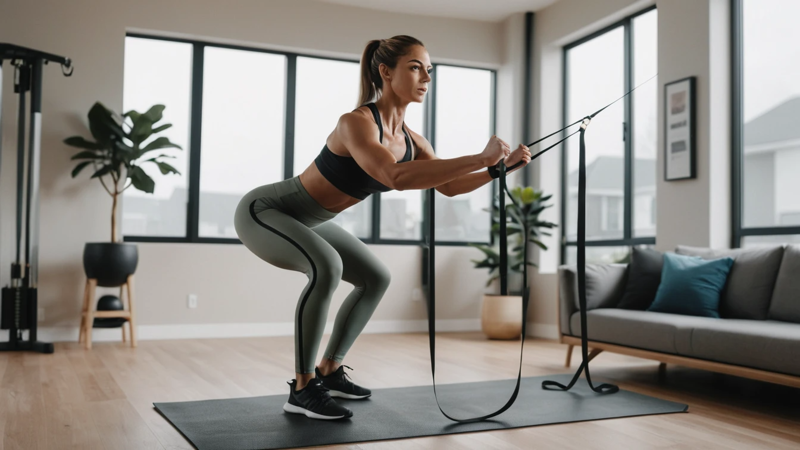
Strength training is crucial for arthritis management. Strong muscles protect joints and improve stability. You don’t need heavy weights to benefit.
Use resistance bands, light dumbbells, or bodyweight exercises. Focus on controlled movements and proper form.
Train two to three times per week. Rest between sessions for recovery.
Safe Strength Moves Table
| Exercise | Target Area | Arthritis-Friendly |
| Wall Push-Ups | Arms, Chest | Yes |
| Seated Leg Raises | Knees | Yes |
| Resistance Band Rows | Back | Yes |
| Squats | Hips | Modify |
Stretching To Reduce Stiffness 🧠
Stretching keeps joints flexible and reduces tightness. It’s especially helpful in the morning or after sitting too long.
Hold stretches gently for 20–30 seconds. Never bounce or force a stretch. Breathe slowly and deeply.
Daily stretching can improve range of motion and comfort.
Balance Exercises To Prevent Falls ⚖️
Arthritis can affect balance and coordination. Balance exercises improve stability and confidence. They also reduce fall risk.
Try standing on one foot near a wall. Heel-to-toe walking is another simple option. Chair support adds safety.
Just a few minutes a day can make a big difference.
How Often Should You Exercise With Arthritis? ⏰
Aim for 150 minutes of low-impact activity per week. Break it into short sessions if needed. Even five minutes counts.
Mix cardio, strength, flexibility, and balance exercises. Variety prevents boredom and overuse injuries.
Consistency beats intensity every time 💪.
Warning Signs To Watch For 🚨
Exercise should feel helpful, not harmful. Stop if you feel sharp pain, swelling, or lingering soreness. These signs mean your joints need rest.
Adjust intensity or switch exercises during flare-ups. Use ice or heat for comfort afterward.
When in doubt, choose gentler movements.
Weekly Low-Impact Routine Table
| Day | Activity |
| Monday | Walking + Stretching |
| Tuesday | Strength Training |
| Wednesday | Water Exercise |
| Thursday | Yoga |
| Friday | Cycling |
| Weekend | Rest or Light Stretching |
Staying Motivated When Pain Fluctuates 🌈
Some days are harder than others. That’s normal. Adjust your routine instead of quitting.
Celebrate small wins like improved mobility or better sleep. Track progress, not perfection.
Remember—you’re exercising to feel better, not to push through pain ❤️.
Conclusion: Move Smarter, Not Harder
Low-impact workouts for arthritis sufferers make staying active safe and realistic. They reduce pain, improve strength, and support long-term joint health. Walking, swimming, yoga, and gentle strength training all work together. Start small, stay consistent, and listen to your body.
FAQs
What Is The Best Low-Impact Exercise For Arthritis?
Walking and water exercises are excellent choices. They reduce joint stress while improving mobility. Consistency matters more than intensity.
Can Exercise Reduce Arthritis Pain Long-Term?
Yes, regular low-impact exercise can reduce pain over time. It strengthens muscles and improves joint lubrication. Many people feel better within weeks.
Are Chair Exercises Good For Severe Arthritis?
Chair exercises are very effective for severe arthritis. They allow safe movement without joint strain. They also improve circulation and strength.
How Long Should Arthritis Workouts Last?
Short sessions of 10–30 minutes work well. You can break activity into smaller chunks. The goal is daily movement.
Is It Safe To Exercise During Arthritis Flare-Ups?
Gentle movement is usually safe during flare-ups. Avoid intense or painful exercises. Focus on stretching and range-of-motion movements.




Leave a Reply