

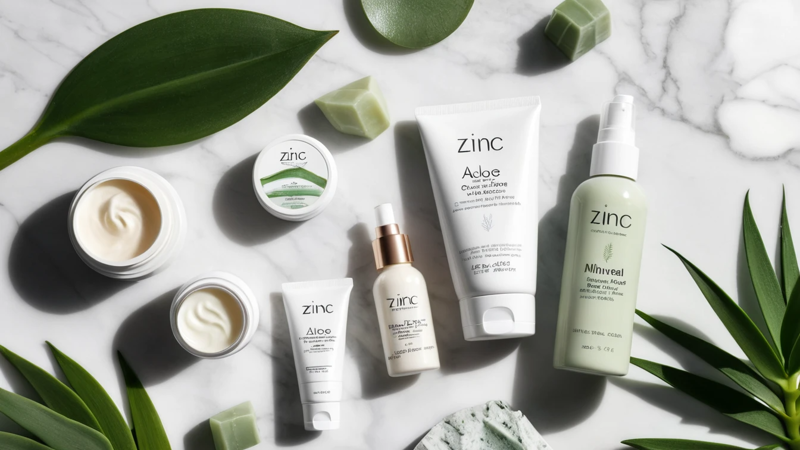
Zinc oxide skincare helps protect, heal, and calm skin. Discover benefits, uses, and tips for clear, healthy skin today.
Zinc oxide skincare is a powerful, skin-friendly solution that protects against sun damage, calms irritation, fights acne, and supports healing. It works gently on all skin types, making it a must-have ingredient in sunscreens, creams, and everyday skincare routines.
Zinc Oxide Skincare: The Complete Guide To Healthier Skin 🌿
Ever wondered why dermatologists always recommend mineral sunscreen over chemical ones? The secret often comes down to one ingredient—zinc oxide.
Zinc oxide is a natural mineral widely used in skincare for its protective and healing properties. It forms a barrier on the skin that reflects harmful UV rays, reduces inflammation, and helps repair damaged skin. Whether you have acne, sensitive skin, or just want better sun protection, this ingredient can make a big difference.
What Is Zinc Oxide In Skincare? 🧴
Zinc oxide is a white, powdery mineral that comes from zinc. It has been used for centuries in healing ointments and protective creams. Today, it is a key ingredient in many skincare products.
In skincare, zinc oxide acts as a physical barrier on the skin. It sits on top rather than being absorbed. This makes it ideal for sensitive skin because it rarely causes irritation.
Many products contain zinc oxide, including:
- Sunscreens
- Diaper rash creams
- Acne treatments
- Calming moisturizers
How Zinc Oxide Works On Your Skin ⚙️
Zinc oxide works by forming a protective shield on your skin. This barrier reflects UV rays instead of absorbing them. That’s why it is commonly found in mineral sunscreens.
It also has anti-inflammatory properties. This means it can calm redness and swelling. If you struggle with irritation, zinc oxide can help soothe your skin quickly.
Another key benefit is its ability to support skin healing. It helps repair the skin barrier, which keeps moisture in and harmful elements out.
Top Benefits Of Zinc Oxide Skincare 🌟
Zinc oxide offers a wide range of benefits for different skin concerns. It’s one of the most versatile ingredients in skincare.
Here are the main benefits:
- Broad-spectrum sun protection
- Reduces acne and inflammation
- Soothes sensitive skin
- Supports wound healing
- Prevents premature aging
It’s especially helpful if your skin reacts easily to harsh chemicals.
Zinc Oxide For Sun Protection ☀️
Zinc oxide is one of the safest and most effective sun protection ingredients. It provides broad-spectrum protection against both UVA and UVB rays.
Unlike chemical sunscreens, zinc oxide starts working immediately after application. There’s no waiting time needed.
Why It’s Better Than Chemical Sunscreens
| Feature | Zinc Oxide | Chemical Sunscreen |
| UV Protection | Broad-spectrum | Limited |
| Skin Sensitivity | Very low | Can irritate |
| Activation Time | Instant | Needs 15–20 mins |
| Environmental Impact | Reef-safe | Often harmful |
This makes zinc oxide a top choice for daily sun care.
Zinc Oxide For Acne-Prone Skin 😌
If you struggle with acne, zinc oxide can help. It reduces inflammation and redness, making breakouts less noticeable.
Zinc oxide also helps control oil production. This prevents clogged pores, which are a major cause of acne.
Many acne treatments include zinc oxide because it is gentle. It won’t dry out your skin like some harsh treatments.
Zinc Oxide For Sensitive Skin 💧
Sensitive skin needs gentle care, and zinc oxide is perfect for that. It rarely causes allergic reactions and helps calm irritation.
It works well for conditions like:
- Rosacea
- Eczema
- Skin redness
- Allergic reactions
Its soothing properties make it a go-to ingredient for people with delicate skin.
Zinc Oxide For Skin Healing And Repair 🩹
Zinc oxide is widely used in healing creams. It helps repair damaged skin by supporting the natural healing process.
It is often used for:
- Minor cuts
- Burns
- Irritated skin
- Post-treatment recovery
✨ “Think of zinc oxide as a protective shield that gives your skin time to heal.”
Zinc Oxide In Anti-Aging Skincare ⏳
Sun damage is one of the main causes of aging. Zinc oxide helps prevent this by blocking harmful UV rays.
It also protects collagen, which keeps your skin firm and smooth. Without protection, collagen breaks down faster.
Using zinc oxide daily can help reduce:
- Fine lines
- Wrinkles
- Dark spots
Types Of Zinc Oxide Used In Skincare 🧪
Not all zinc oxide is the same. There are different forms used in skincare products.
| Type | Description | Best For |
| Non-Nano Zinc Oxide | Larger particles | Sensitive skin |
| Nano Zinc Oxide | Smaller particles | Lightweight feel |
| Coated Zinc Oxide | Treated for stability | Sunscreens |
Each type has its benefits depending on your skin needs.
How To Use Zinc Oxide In Your Routine 🔄
Adding zinc oxide to your routine is simple. It’s most commonly used in sunscreen.
Here’s how to use it:
- Cleanse your face
- Apply moisturizer
- Use zinc oxide sunscreen
- Reapply every 2 hours
Consistency is key to seeing results.
Best Products With Zinc Oxide 🛍️
Zinc oxide is found in many skincare products. Look for it in:
- Mineral sunscreens
- Barrier creams
- Acne spot treatments
- Calming lotions
Always check the ingredient list. Higher zinc oxide content usually means better protection.
Zinc Oxide Vs Titanium Dioxide ⚖️
Both zinc oxide and titanium dioxide are mineral sunscreen ingredients. But they work a bit differently.
| Feature | Zinc Oxide | Titanium Dioxide |
| UV Coverage | UVA + UVB | Mostly UVB |
| Skin Soothing | High | Moderate |
| White Cast | Slight | More noticeable |
Zinc oxide offers broader protection, making it a better all-around choice.
Is Zinc Oxide Safe For Daily Use? ✅
Yes, zinc oxide is safe for daily use. It is approved by health authorities worldwide.
It does not penetrate the skin deeply. Instead, it stays on the surface and protects.
This makes it safe for:
- Babies
- Pregnant women
- Sensitive skin types
Common Myths About Zinc Oxide 🚫
There are many myths about zinc oxide. Let’s clear a few up.
- Myth: It clogs pores
Truth: It is non-comedogenic - Myth: It leaves a heavy white cast
Truth: Modern formulas blend better - Myth: It’s only for sunscreen
Truth: It has many skincare uses
Understanding these facts helps you use it confidently.
Tips To Choose The Right Zinc Oxide Product 🧠
Choosing the right product can make a big difference.
Here are some tips:
- Look for at least 10–20% zinc oxide in sunscreen
- Choose non-nano for sensitive skin
- Check for added soothing ingredients
- Avoid fragrances if you have irritation
These tips ensure you get the most benefit.
Who Should Use Zinc Oxide Skincare? 👥
Zinc oxide is suitable for almost everyone. It works well for:
- Oily skin
- Dry skin
- Sensitive skin
- Acne-prone skin
It’s especially helpful if your skin reacts to chemical products.
Conclusion: Why Zinc Oxide Is A Skincare Essential 🌿
Zinc oxide is one of the most reliable and effective skincare ingredients available today. It protects your skin from the sun, calms irritation, and supports healing. Its gentle nature makes it suitable for all skin types.
If you want healthier, clearer skin, adding zinc oxide to your routine is a smart move. With consistent use, you’ll notice calmer, stronger, and more protected skin over time.
FAQs
What Are Zinc Oxide Skincare Benefits For Acne?
Zinc oxide reduces inflammation and redness. It helps control oil production and prevents clogged pores. This makes it effective for managing acne.
Can I Use Zinc Oxide Sunscreen Daily?
Yes, daily use is recommended. It protects your skin from harmful UV rays. Consistent use also helps prevent aging and damage.
Is Zinc Oxide Good For Sensitive Skin Types?
Yes, it is very gentle and soothing. It rarely causes irritation or allergic reactions. That’s why it’s ideal for sensitive skin.
Does Zinc Oxide Help With Skin Healing?
Yes, it supports the skin’s natural repair process. It forms a protective barrier and reduces irritation. This helps wounds heal faster.
How Much Zinc Oxide Should Be In Sunscreen?
Look for 10–20% zinc oxide for effective protection. Higher percentages offer better coverage. Always check the label before buying.






Leave a Reply